Visar inlägg med etikett palestina. Visa alla inlägg

torsdag 5 oktober 2017

Palesstinska regeringen à la TT

TT säger


"Palestinska regeringen möttes i Gaza"


 definitionen.  Läs noga.  "Palestinska regeringen", innebär samlingsregeringen Hamas och Fatah som bildades häromåret, en regering som aldrig sagts upp officiellt (väl?) och som sattes upp i hopp om ökade donationer..


Eller 

Hamas säger att samregimen med Fatah är slut.

BY JPOST.COM STAFF 
 JUNE 12, 2014 15:26

Denna regim gluttar fram då och då. Här nämns den:

TEAM LED BY NETANYAHU TO DISCUSS NEW REALITY OF FATAH-HAMAS ‘UNITY’

Hamas rejects Abbas' claim that it colluded with Israel and calls on Abbas to stop spreading lies.

Hamas announced on Sunday that the unity government established with Fatah over the summer has ended.

The unity government’s six-month term has expired, Hamas spokesman Sami Abu Zuhri said at a press conference in Gaza City, adding that talks would take place regarding a future government, the Palestinian Ma’an news agency reported.


Kristallklart vad TT försöker lura svenska folket med?

Vill du se några icke-vänsterkällor som TT kan du alltid söka i  källor jag hämtar information jag anser är sanningsenliga. 

Israels bästa högertidning är http://www.israelnationalnews.com


Israels gamla centertidning Jerusalem Post en gång Palestine Post innan KGB hade hittat på ordet  "palestinian" för västbanksaraber för att de skulle beklagas mer än gruppen "araber".  Arafat fick mycket hjälp av KGB.

En gammal sida som granskar antisemitisk vinkling är http://www.camera.org/


En annan med intressanta artiklar, i förbindelse med Israels säkerhetstjänst, Mossad, är https://www.debka.com/


måndag 2 oktober 2017

Palestinsk lycka.

Lämpligt för Löfvens sovrumsvägg.


  • Jamal ville mörda judar för att han trodde att detta var en ädel handling som skulle ge honom status som shaheed (martyr) och hjälte bland hans familj, vänner och samhälle. I synnerhet i den palestinska kulturen och den arabiska kulturen i allmänhet gloriferas mord av judar dagligen.
  • Trump-administrationen och Jason Greenblatt verkar ha köpt lögnen att "det handlar om pengar, idioti".
  • Nej. Konflikten handlar om Israels existens i Mellanöstern. Den handlar om det kvarstående intresset i den arabiska och islamiska världen att förstöra Israel och mörda judar.


The Big Middle East Lie


  • Jamal wanted to murder Jews because he believed this was a noble deed that would earn him the status of shaheed (martyr) and hero among his family, friends and society. In Palestinian culture in particular, and Arab culture in general, murderers of Jews are glorified on a daily basis.
  • The Trump administration and Jason Greenblatt seem to have bought the lie that "It's about money, stupid."
  • No. The conflict is about Israel's existence in the Middle East. It's about the abiding interest in the Arab and Islamic world to destroy Israel and murder Jews.
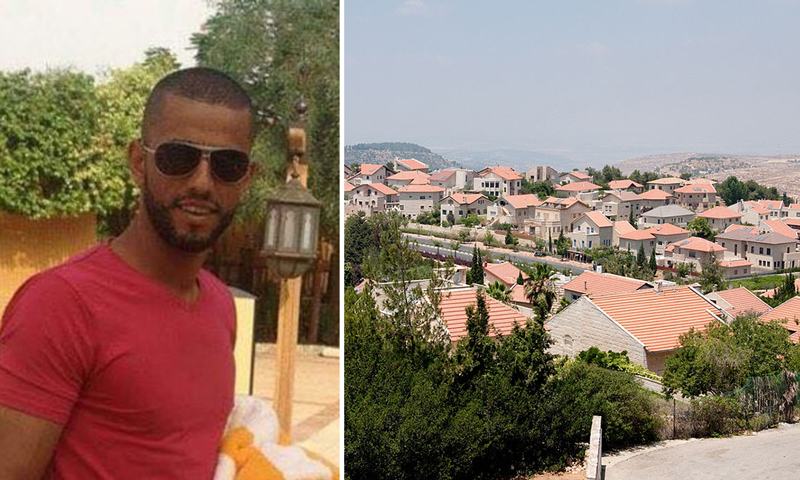
Nimer Mahmoud Jamal, the 37-year-old Palestinian terrorist who on September 25 murdered three Israelis at the entrance to Har Adar near Jerusalem, had a permit from the Israeli authorities to work in Israel.
His family and friends say he also had a good life and was considered lucky to have been employed by Jews because he received a higher salary and was protected by Israeli labor laws. The night before Jamal set out in his murderous mission, he spent a few hours at the fitness gym in his village, located only a few miles away from Har Adar.
So, Jamal, the murderer of the three Israelis (two of the victims were Arab Israelis), was not poor. He was not unemployed. In fact, according his friends, Jamal earned much more than what a senior police officer or school teacher working for the Palestinian Authority or Hamas brings home every month.
What was it, then, that drove Jamal to his murderous scheme, gunning down three young men who were supposed to be facilitating his entry into Israel? Was it because he could not provide for his children? No. Was it because his landlord was pressuring him about the rent? No: Jamal lived in a nice place of his own, complete with furniture, appliances and bedrooms that any family in the West would be proud to own.


Left: Nimer Mahmoud Jamal. Right: Har Adar. (Images source: Social media, Josh Evnin/Wikimedia Commons)

Jamal wanted to murder Jews because he believed this was a noble deed that would earn him the status of shaheed (martyr) and hero among his family, friends and society. In Palestinian culture in particular, and Arab culture in general, murderers of Jews are glorified on a daily basis.
They are touted as the lucky ones who are now in the company of Prophet Mohammed and the angels in Paradise. Male terrorists are also busy with the 72 virgins they were awarded as a prize for murdering Jews. The murderers -- as Muslim clerics and leaders hammer into the heads of Palestinians -- are also given access to rivers of honey and fine drinks once they set foot in their imaginary Paradise.
Jamal's friends and family are now convinced that he has been rewarded by Allah and Prophet Mohammed in Paradise for murdering three Israelis. They do not care about his children, whom he left behind, and certainly not about the families of the three Israelis he murdered.
In his village and on social media, Jamal is being hailed as a hero and martyr. Not a single Palestinian has come out against the cowardly terror attack by a man who took advantage of a permit from the Israeli authorities to commit a terror attack.
The Jewish families that once employed Jamal as a cleaner had trusted him. They had opened their homes and hearts, as well as their wallets, to him. The Israeli authorities wanted to trust him and see him as a normal person who just wanted a job with a decent income to support his family.
But Jamal, like many other Palestinians, betrayed the trust the Jews gave him. He chose to stab in the back the same people who had gone out of their way to help him.
Sadly, this terrorist also betrayed the cause of thousands of Palestinian workers who enter Israel for work every day. These workers stand to lose the most from Jamal's terror attack and treachery.
Luckily for them, the Israeli authorities are saying that the Har Adar murder will not affect Israel's policy of granting permits to Palestinians to work inside Israel, because the vast majority are not involved in violence.
The Har Adar murders ought to teach us at least one thing: that the Israeli-Palestinian conflict is not about the economy or improving the living conditions of the Palestinians. Jamal, who had a job and freedom of movement and a lovely apartment, surely proves this point, as do the murders or attempted murders by other well-to-do terrorists such as Mohammad Atta, Osama bin Laden, Umar Farouk Abdulmutallab, and many others.
Jamal's bloody lesson, however, apparently still needs to be learned by the West, which, despite all evidence, doggedly persists in drawing an unbroken line between Palestinian terrorism and poverty.
Jamal, however, is far from the first terrorist to convey this crucial lesson: most Palestinian terrorists over the past decades were educated and had jobs.
Some Palestinian suicide bombers were nurses, schoolteachers and lawyers. Some came from middle class and even wealthy families and clans. Money and education, however, did not stop them from committing atrocities against Israelis.
Terrorists like Jamal are motivated by deep hatred for Jews and Israel. They have been indoctrinated and brainwashed by their leaders and Muslim religious clerics into believing that Jews are evil and need to be eliminated by all available means.
Not a single terrorist has complained of carrying out an attack because he or she were starving, had no food for the children and were unable to buy ice cream from the local grocery store. The terrorists, in fact, spell it out as it is: they openly announce that they are motivated by their indoctrinated hatred for Israel and Jews. This is what the Palestinian, Arab and Islamic propaganda machine has done to generations of Arabs and Muslims. Officials and people in the West may deny what they hear as hard as they like; but the terrorists could not be more are honest about what their murderous motives are.
What, then, about those on the West who continue to talk about the conflict as if it were about creating new jobs and paving roads and improving infrastructure for the Palestinians? This seems to be the approach endorsed in the U.S. by Donald Trump's administration.
There is nothing wrong, of course, with boosting the economy and creating job opportunities. This might have a moderating effect on a few Palestinians. They will be happy to see a better economy and a drop in the unemployment rate.
Such measures, however, will never change the hearts and minds of Palestinians. Palestinians will never recognize Israel's right to exist because Americans and Europeans built them an industrial park somewhere in the West Bank.
Over the past 25 years, the Palestinians have received billions of dollars in aid from the international community. When they headed to the ballot boxes, they voted for Hamas because it told them it will destroy Israel. Palestinians are most likely to vote for Hamas once again if free and democratic elections were held tomorrow in the West Bank and Gaza Strip.
We might remember this as Trump's Middle East envoy, Jason Greenblatt, returns to our region to discuss ways of reviving the so-called peace process between Israel and the Palestinians. The Trump administration and Jason Greenblatt seem to have bought the lie that "It's about money, stupid."
No. The conflict is about an unbendable refusal to allow a Jewish Israel to exist in the Middle East. It is about the abiding interest in the Arab and Islamic world to obliterate Israel and murder Jews. It is about the ongoing, bloody Arab and Islamic incitement against Israel and Jews. Jobs are not the problem, and they are not the solution. Let us pay attention to reality for a change: Jamal and his fellow terrorists can teach us something -- if only we would listen.
Bassam Tawil is a Muslim based in the Middle East
.

lördag 11 mars 2017

Vad gör högutbildade palestinska studenter?

Sverige ger stora summor till Abbas utan redovisningskrav, Sverige sätter upp palestinsk ambassad i Stockholm där palestinska flyktingar inte kan få hjälp. Sverige satsar enorma summor på antisemitisk hatpropaganda mot Israel, länk, länk.  Hjälper de utbildade palestinier?  Klicka full text  nedan för att få detaljer.


Can Startup Nation be an incubator for Palestinian high-tech entrepreneurs? (full text)

fredag 4 november 2016

Grova och påtagliga TT-lögner. Erdogan.

När anser de att detta "Palestina" skapades (se bildrubriken) på länken, eller behöver inte ett land finnas för att erkännas? Falsifierade media kommer med sådana helt löjliga utfall, som på länk.. FN erkände ett existerande land, Ìsrael, 1948,  "Palestina" har erkänts av politiska antisemitiska skäl utan att det existerade. Amnestys antisemitiska gnäll har varat länge.

"Palestina" har heller inte erkänts som stat utan i nivå med Vatikanen.

       
Ett politiskt land som "Palestina" har aldrig existerat, bara som geografiskt namn i stil med "det heliga landet", Arafat och Abbas har aldrig slutfört fredsförhandlingar och vad Fatah tänker står klart i fatahs stadgar, de senaste säger att uttalandena från den tidigare gäller, och innan skrevs tydligt:

Artikel (12) Fullständig befrielse av Palestina, och utrotande av den sionistiska ekonomiska, politiska, militära och kulturella existensen.
Artikel (19) Väpnad kamp är en strategi och inte en taktik, och det palestinska arabiska folkets väpnade revolution är en avgörande faktor i befrielsekampen att utrota den sionistiska existensen, och denna kamp kommer inte att upphöra innan den sionistiska staten rivs och Palestina är helt befriat.
Article (12) Complete liberation of Palestine, and eradication of Zionist economic, political, military and cultural existence.  länk.
Article (19) Armed struggle is a strategy and not a tactic, and the Palestinian Arab People's armed revolution is a decisive factor in the liberation fight and in uprooting the Zionist existence, and this struggle will not cease unless the Zionist state is demolished and Palestine is completely liberated.

Erdogan går det också sagor om. Han "vill" inte att Turkiets folkmord av armenierna ska nämnas, Hitler ville väl inte att hans Förinelse skulle nämnas, men han fick ju chansen at påtagligt förlora. som det är nu har Erdogan avlivat lika många kurder som Saddam - vilket kallades folkmord, Men medierna lyder Erdogams förbud att kalla det för vad det är. se länk.


torsdag 21 januari 2016

"Israel annekterar palestinsk mark" - som inte existerar!

Man undrar hur nyhetsbyråer kör på med lätt verifierade lögner och dagstidningar upprepar dessa direkt emot Pressens Etiska Regler om att de måste kontrollera sanningshalten i vad de säger - det är ingen  ursäkt att TT spottat ut det.

Där har aldrig någonsin existerat någon "palestinsk mark" - när skulle den ha uppstått? Västbanken var Ottomanskt tills de förlorade den efter första världskriget. England var mandatmakt till 1947. England gav bort 80% till Jordanien - efter att redan ha givit 200 gånger mer land runt om mandatet till araberna. Därefter anföll Jordanien Västbanken och Jerusalem med brittisk hjälp och annekterade illegalt det mesta. Israel vann över dem 1967, och återtog den halvan av Jerusalem de ockuperade, och Västbanken.

När fanns det tid att bli någon "palestinsk mark"? Jordanien har därefter avsagt sig alla anspråk på vad de ockuperade.

Så vad är en palestinier? Dagens definition hittades på av KGB mitt på 60-talet som propagandahjälpmedel till Arafat, innan betydde det alla i mandatet Palestina inklusive alla judar där. Den största engelskspråkiga judiska tidningen hette Palestine Post tills den blev Jerusalem Post. Dagens "palestinier" är ingalunda någon ursprungsbefolkning, se länk.

Så nyhetssagorna om "palestinskt land" är ren och skär antisemitism och judehat. Det existerar lika lite som Löfvéns "palestina" eller jultomten eller andra fantasier.


fredag 9 oktober 2015

Se den palestinska kulturen.

Israel vann ett försvarskrig 1967. Den lilla svenska regeringen förnekar totalt att de vann med de resultat ALLA andra länder som vunnit ett försvarskrig, länk tar sig. Jag har sällan sett en artikel så monumentalt full av direkta faktafel.

Artikeln säger att de överöser Abbas med våra pensionärers stulna pengar för att åstadkomma:

självständig, livskraftig, sammanhängande och demokratisk stat som lever sida vid sida med Israel i fred och säkerhet med 1967 års gränser som utgångspunkt.

måndag 1 juni 2015

Arabisk invandring till det geografiska området Palestina.

Jag har skrivit om Relandis bok tidigare. I denna artikel talas om förhållandena i det Heliga Landet 1695 och hur araber har flödat in ända fram till Israels skapande. Allt visar att - tja, där finns inget som heter "palestinier" med den betydelse Arafat fick som propagandahjälpmedel av KGB mitt på 60-talet. Innan var "palestinier" judar som bodde i det palestinska mandatet.


Det är en mycket gammal och sällsynt bok som heter Palestina ex monumentis veteribus illustrata skriven av Hadriani Relandi, en kartritare och forskare från Utrecht, och publicerades 1714. Den dokumenterar Redlandi resa till Palestina 1695-1696. På sina resor besökte han cirka 2.500 platser som nämns i Tanakh och / eller Mishnah, och han genomförde en folkräkning av de människor som bodde på sådana bosättningar. Han gjorde några mycket intressanta upptäckter. Till att börja med upptäckte han att inte en enda bosättning i Palestina hade ett namn som var av arabiskt ursprung. Istället var det namn som härstammade från hebreiska, romerska och grekiska språk.

En annan intressant upptäckt var den iögonfallande frånvaron av en stor muslimsk befolkning. I stället fann han att de flesta av invånarna i Palestina var judar, tillsammans med några kristna och några beduiner. Nasaret var hem för mindre än tusen kristna, medan Jerusalem höll 5000 personer, mestadels judar. Gaza var hem för omkring 250 judar och ungefär lika många kristna. Det enda undantaget var Nablus där cirka 120 muslimer levde tillsammans med en handfull samariter, vars förfäder tillhörde de norra stammarna i Israel.

Fascinerad av resultaten i Relandi böcker, tittade jag på andra förstahandskällor, såsom reseskildringar, statliga rapporter och folkräkningar. Jag var inte säker på att jag skulle hitta något. Men det finns en överraskande mängd folkräkningsuppgifter, rapporter och anekdotiska bevis. Och allt tyder på att majoriteten av icke-judisk (dvs arabiska muslimer och kristna) invandring till Palestina inleddes i mitten eller slutet av 1800-talet.

Baserat på arbete som utförts av statistikerer och demografen Roberto Bachi, uppskattas det att det fanns 151.000 icke-judiska invånare i Palestina 1540. (Vissa källor tyder på att många av dessa var ättlingar till judar som hade levt kvar i Palestina efter den misslyckade Bar Kokhba-revolten 136 CE men hade tvingats konvertera till islam). Vid 1800 hade den icke-judiska befolkningen vuxit till cirka 268.000, stigit till 489.000 1890, 589.000 1922 och drygt 1,3 miljoner 1948. De allra flesta av dessa icke-judiska invandrare var muslimer. Allt detta tyder på att de flesta av de muslimska (och kristna) invånarna i Palestina var nyanlända invandrare och hade inte bott där i generationer som ibland föreslås. Dessutom visar siffrorna att den arabiska invandringen var en snabbt växande trend, som drevs av yttre omständigheter. Men vad?

För det första hade flera tusen bönder kommer till Palestina under första hälften av 1800-talet för  att fly Egyptens militär uttagning, tvångsarbete och skatter. För det andra, de Osmanska myndigheterna överförde ett stort antal människor från Marocko, Algeriet och Egypten till Palestina i början av 20-talet, delvis i ett försök att kringgå judisk invandring. För det tredje, det sionistiska projektet var mycket attraktivt för araber som drogs till Palestina av goda löner, sjukvård och sanitet som erbjuds av judarna. I själva verket, den muslimska barnadödligheten i Palestina föll från 201 per 1.000 1925 till 94 per 1.000 1945. Samtidigt ökade medellivslängden från 37 till 49 år.

Dessutom ökade den arabiska befolkningen i Palestina mest i städer där det fanns ett stort antal judar, som är en stark indikation på att araber drogs till Palestina på grund av sionisterna. Mellan 1922 och 1947 växte den arabiska befolkningen med 290 procent i Haifa, 158 procent i Jaffa och 131 procent i Jerusalem. Talande, tillväxten i säder med arabisk majoritet var långt mindre dramatisk: 37 procent i Betlehem, 42 procent i Nablus och 78 procent i Jenin.

Under den brittiska civilförvaltningen i Palestina (1920-1948), var det restriktioner på judisk invandring i syfte att blidka arabiska bråkmakare. Men situationen när det gäller arab-bosättningen var mycket mer slapp. Historiker och författare Freddy Liebreich hävdar att det var betydande arabisk invandring från Hauran- regionen i Syrien under mandattiden - och att de brittiska myndigheterna blundade.

Men vissa människor tog notis. The Hope Simpson Förfrågan (1930) observerade att det fanns betydande illegal arabisk invandring från Egypten, Transjordanien och Syrien, vilket negativt påverkade blivande judiska invandrare och bidrog till arabiskt våld mot judarna. Den brittiska guvernören i Sinai mellan 1922 och 1936 bekräftade vyn att okontrollerad arabisk invandring ägde rum, med de flesta av de invandrare som kommer från Sinai, Transjordanien och Syrien. Och Peel-kommissionen rapporterade 1937 att en "brist på mark" var "mindre på grund av mängden mark som förvärvats av judar än ökningen av den arabiska befolkningen."

Invandringen fortsatte i en takt tills judarna förklarade sig självständiga 1948. Det faktum att den arabiska (till stor del muslimska) invandringen fortsatte ända fram till israelisk självständighet bekräftas av FN:s bestämmelse om att alla arabiska flyktingar som hade bott i Palestina under bara två år före den judiska självständigheten hade rätt till flyktingstatus. Enligt FN:s hjälporganisation, definieras palestinska flyktingar som "personer vars normala bostad var Palestina under tiden 1 juni 1946 till 15 maj 1948, och som förlorade både hem och medel för försörjning som en följd av 1948 års konflikt . "

*

Om det fanns mycket få icke-judiska invånare i Palestina på 1500 och 1600-talen, vad hände med de arabiska inkräktarna som kom 629 CE? Tja, till att börja med, stannnade mycket få av angriparna faktiskt i Palestina. Många blev frånvarande hyresvärdar som använde infödda bönder för att odla sina egendomar och betala dhimmi-skatt. Detta är anledningen till Palestina, tillsammans med Egypten och Syrien, förblev överväldigande kristet under flera århundraden. Det är dock möjligt att följa den muslimska återerövringen 1187, var det många judiska och kristna invånare i Palestina som tvingas konvertera till islam, vilket driver upp antalet muslimska invånare. Dock var det en nedgång på Palestinas befolkning från mitten av 14-talet - till stor del på grund av digerdöden, som svepte in från östra Europa och norra Afrika,  till Gaza, på väg till Palestina, Libanon och Syrien. Med ingen att ta hand om jorden, blev många områden blev malariainfekterat, framför allt i norra Palestina, som blev i stort sett obeboeligt. Avfolkningen fortsatte som en följd av invasionen av Palestina  1831 av Muhammad Ali i Egypten och den påföljande bonde- revolten av 1834, vilket minskade den manliga befolkningen i Palestina med cirka tjugo procent, med ett stort antal bönder som antingen deporterats till Egypten eller utnyttjades i Egyptens militär. Många andra övergav sina gårdar och byar för att ansluta sig till beduinerna.

Klart det skulle vara meningslöst att hävda att det inte fanns några araber som bodde i Palestina i slutet av 1800- och början av 1900-talet, men siffrorna visar att den arabiska befolkningen i Palestina hade varit under förändring i århundraden och att den överväldigande majoriteten var migranter från resten av arabvärlden och / eller det Ottomanska imperiet. Detta är viktigt eftersom det säger oss att den postmoderna tanken på en djupt rotad palestinsk arabisk historia / kultur är falsk. Alla bevis pekar på påtaglig avsaknad av arabisk kultur i slutet av 1600-talets Palestina; och även under 1700 och 1800-talen var de arabiska invånarna i Palestina inte infödda utan var eftersläntrare. Detta förklarar varför, historiskt, araber aldrig talat om en palestinsk identitet - eftersom det inte fanns någon. De var egyptiska, syriska, marockanska, irakiska och ottomanska araber, och många av dem uttryckte trohet till begreppet större Syrien. I själva verket, fram till 1960-talet vägrade araberna att kalla sig palestinier eftersom det var ett namn som reserverats för judarna! Det verkar lustigt nu, men Immanuel Kant, den 1700-talets tyska filosof, nämner judar i Europa som "palestinier som lever bland oss."

Det var inte förrän i mitten av 1960-talet - nästan två decennier efter det att Israel förklarade sig självständigt - som en halv-koherent (och mycket våldsam) palestinsk arabisk identitet kom till. Men även så sent som på 1970-talet var föreställningen om ett palestinskt folk var fortfarande inget annat än en terrorist- konstruktion som syftade till att undergräva judiska anspråk på landet Israel. I en intervju med en nederländsk tidning 1977 medgav PLO:s verkställande ledamot Zahir Muhsein att "det palestinska folket inte existerar", innan han lägger till: "Skapandet av en palestinsk stat är endast ett medel för att fortsätta vår kamp mot staten Israel . "

Oavsett om den arabisk-palestinska identiteten växer till något mer konstruktivt under  2000-talet återstår att se, men det verkar osannolikt med tanke på de palestinska arabernas benägenhet för våld, terror och förstörelse.


ARAB IMMIGRATION TO HISTORIC PALESTINE: A SURVEY

By JMA editor Richard Mather

There is a very old and rare book called Palestina ex monumentis veteribus illustrata, written by Hadriani Relandi, a mapmaker and scholar from Utrecht, and published in 1714. It documents Redlandi’s trip to Palestine in 1695/96. On his travels he surveyed around 2,500 places that were mentioned in the Tanakh and/or Mishnah, and he carried out a census of the people who resided in such places. He made some very interesting discoveries. For a start, he discovered that not a single settlement in Palestine had a name that was of Arabic origin. Instead the names derived from Hebrew, Roman and Greek languages.

Another interesting discovery was the conspicuous absence of a sizeable Muslim population. Instead, he found that most of the inhabitants of Palestine were Jews, along with some Christians and a few Bedouins. Nazareth was home to less than a thousand Christians, while Jerusalem held 5,000 people, mostly Jews. Gaza was home to around 250 Jews and about the same number of Christians. The only exception was Nablus where around 120 Muslims lived, along with a handful of Samaritans, whose ancestors belonged to the northern tribes of Israel.

Intrigued by the findings in Relandi’s books, I looked at other first-hand sources, such as travelogues, governmental reports and censuses. I wasn’t sure I would find anything. But there is a surprising quantity of census data, reports and anecdotal evidence. And all the evidence suggests that the majority of non-Jewish (i.e. Arab Muslims and Christians) immigration to Palestine began in the mid or late 1800s.

Drawing on work by statistician and demographer Roberto Bachi, it is estimated that there were 151,000 non-Jewish inhabitants of Palestine in 1540. (Some sources indicate that many of these were descendants of Jews who had remained in Palestine following the failed Bar Kokhba revolt in 136 CE but had been forced to convert to Islam). By 1800, the non-Jewish population had grown to around 268,000, rising to 489,000 by 1890, 589,000 in 1922 and just over 1.3 million in 1948. The vast majority of these non-Jewish migrants were Muslims. All of which suggests that most of the Muslim (and Christian) inhabitants of Palestine were recent immigrants and had not been living there for generations as is sometimes suggested. Moreover, the figures show that Arab immigration was a fast-growing trend, propelled by external circumstances. But what?

Firstly, several thousand peasant farmers had come to Palestine in the first half of the 19th century to escape Egypt’s military draft, forced labour and taxes. Secondly, the Ottoman authorities transferred a great many people from Morocco, Algeria and Egypt to Palestine in the early part of the 20th century, partly in an effort to outflank Jewish immigration. Thirdly, the Zionist project was very attractive to Arabs who were drawn to Palestine by the good wages, healthcare and sanitation offered by the Jews. Indeed, the Muslim infant mortality rate in Palestine fell from 201 per 1,000 in 1925 to 94 per 1,000 in 1945. Meanwhile, life expectancy rose from 37 to 49 years.

Furthermore, the Arab population of Palestine increased the most in cities where there were large numbers of Jews, which is a strong indication that Arabs were drawn to Palestine because of the Zionists. Between 1922 and 1947, the Arab population grew by 290 per cent in Haifa, 158 per cent in Jaffa and 131 per cent in Jerusalem. Tellingly, the growth in Arab-majority towns was far less dramatic: 37 per cent in Bethlehem, 42 per cent in Nablus and 78 per cent in Jenin.

During the British civil administration in Palestine (1920 to 1948), restrictions were placed on Jewish immigration in order to appease Arab troublemakers. However, the situation regarding Arab settlement was much more lax. Historian and author Freddy Liebreich claims there was significant Arab immigration from the Hauran region of Syria during the Mandate era – and that the British authorities turned a blind eye.

However, some people were taking notice. The Hope Simpson Enquiry (1930) observed there was significant illegal Arab immigration from Egypt, Transjordan and Syria, which was negatively affecting prospective Jewish immigrants and contributing to Arab violence against Jews. The British Governor of the Sinai between 1922 and 1936 substantiated the view that unchecked Arab immigration was taking place, with most of the immigrants coming from the Sinai, Transjordan and Syria. And the Peel Commission reported in 1937 that a “shortfall of land” was “due less to the amount of land acquired by Jews than to the increase in the Arab population.”

Immigration continued at a pace until the Jews declared independence in 1948. The fact that Arab (largely Muslim) immigration continued right up until Israeli independence is borne out by the United Nations stipulation that any Arab refugee who had lived in Palestine for a mere two years prior to Jewish independence was entitled to refugee status. According to the UN Relief and Works Agency, Palestine refugees are defined as “persons whose normal place of residence was Palestine during the period 1 June 1946 to 15 May 1948, and who lost both home and means of livelihood as a result of the 1948 conflict.”

*

If there were very few non-Jew inhabitants in Palestine in the 16th and 17th centuries, what happened to the Arab invaders who arrived in 629 CE? Well, for a start, very few of the invaders actually stayed in Palestine. Many became absentee landlords who used native tenants to cultivate their estates and to pay the dhimmi tax. This is why Palestine, along with Egypt and Syria, remained overwhelmingly Christian for several more centuries. It is possible, however, that following the Muslim reconquest in 1187, many Jewish and Christian inhabitants of Palestine were forced to convert to Islam, thereby pushing up the number of Muslim inhabitants. However, Palestine’s population went into decline from the mid-14th century – in large part due to the Black Death, which swept in from eastern Europe and north Africa, travelling to Gaza, and making its way to Palestine, Lebanon and Syria. With no one to care for the land, many areas became malarial, especially in northern Palestine, which became largely uninhabitable. Depopulation continued as a consequence of the invasion of Palestine in 1831 by Muhammad Ali of Egypt and the ensuing Peasants’ Revolt of 1834, which reduced the male population of Palestine by about twenty per cent, with large numbers of peasants either deported to Egypt or drafted into Egypt’s military. Many others abandoned their farms and villages to join the Bedouin.

Clearly it would be futile to argue that there were few Arabs living in Palestine in the late 19th and the early 20th centuries, but the figures do show that the Arab population of Palestine had been in state of flux for centuries and that the overwhelming majority were migrants from the rest of the Arab world and/or the Ottoman empire. This is important because it tells us that the postmodern notion of a deep-rooted Palestinian Arab history/culture is bogus. All the evidence points to the conspicuousabsence of Arab culture in late 17th century Palestine; and even in the 18th and 19th centuries the Arab inhabitants of Palestine were not indigenous but were latecomers. This explains why, historically, Arabs never talked about Palestinian identity – because there wasn’t one. They were Egyptian, Syrian, Moroccan, Iraqi and Ottoman Arabs, and many of them expressed allegiance to the concept of a Greater Syria. In fact, until the 1960s the Arabs refused to call themselves Palestinians because it was a name reserved for the Jews! It seems hilarious now, but Immanuel Kant, the 18th-century German philosopher, referred to Jews in Europe as “Palestinians living among us.”

It wasn’t until the mid-1960s – nearly two decades after Israel declared independence – that a semi-coherent (and very violent) Palestinian Arab identity came into being. But even as late as the 1970s, the notion of a Palestinian people was still nothing more than a terrorist construct designed to undermine Jewish claims to the land of Israel. In an interview with a Dutch newspaper in 1977, PLO executive committee member Zahir Muhsein admitted that “the Palestinian people does not exist,” before adding: “The creation of a Palestinian state is only a means for continuing our struggle against the State of Israel.”

Whether Arab-Palestinian identity grows into something more constructive in the 21st century remains to be seen, although it seems unlikely given the Palestinian Arabs’ proclivity for violence, terror and destruction.




torsdag 6 augusti 2009

Obama erkänner Ahmadinejad som “vald” ledare. Sahlin vill bli shahid? [alt]

Obama erkänner Ahmadinejad som “vald” president i Iran efter ett bluffval.

AP:

Tue Aug 4, 2:58 pm ET

WASHINGTON – White House spokesman Robert Gibbs says Iranian President Mahmoud Ahmadinejad is “the elected leader” of the Islamic republic.

Gibbs was asked Tuesday if the White House recognized Ahmadinejad as the country’s legitimate president.

“He’s the elected leader,” Gibbs responded.

Iranian opposition to Ahmadinejad’s re-election claimed he stole the vote, and there have been massive street demonstrations that have shaken the religious leadership of the country. Ahmadinejad reports to the religious establishment. Dozens of demonstrators were killed or wounded in the uprising.

President Barack Obama has been cautious in responding to the turmoil because he’s trying to open a dialogue with Iran about its nuclear program.

Obama är precis lika feg som Bildt.

Ahmadinejad sade själv:

Following the swearing-in ceremony, Ahmadinejad responded to the news in a speech to the parliament. “We heard that some of the Western leaders had decided to recognize but not congratulate the new government … Well, no one in Iran is waiting for your messages,” he said.

Sahlin lyssnar på uppmuntran att bli shahid (självmordsbombare)

Konferensen Sahlin växelverkar med, började i stor stil med:

The very first sentence of the opening speech honored the “shahids” who killed themselves fighting Jews.

“In the name of the shahids and in the name of Jerusalem, the capital of the Palestinian state, we declare the opening of the sixth convention of our movement, Fatah.” With these words, convention chairman Ahmed Qurei (Abu Ala) – a former Palestinian Authority prime minister and speaker of the PA legislature – introduced the politically-charged gathering.

Shahids literally means “martyrs,” and the reference is to those who killed themselves or were killed in their war of terrorism against Israel.

Jag kan inte alls tänka mej att Sahlin protesterade mot det, mot självmordsbombare mot judar eller att Abbas vill ha Israels huvudstad som sin egen pga – att han vill, däremot protesterade hon högljutt emot Israel……

Sahlin gratulerade också kvinnorna inom Hamas och man förmodar att hon speciellt menade dessa:

Female Suicide Bomber Organization Founded by Fatah

Um-al-Abed, a woman who claimed to be speaking for the terrorist group, told reporters on Monday at a news conference in Gaza, “We have so far recruited 100 women for the new unit.”

Several masked women who said they were Fatah members were also present at the gathering. “We are expecting more female suicide bombers,” said Um-al-Abed, according to a report in The Jerusalem Post.

I länken från SR ovan talas om också svenska socialdemokraternas varma förbindelser med det israeliska arbetarpartiet – det är kanske därför det israeliska arbetarpartiet i stort sett har försvunnit. Hade det varit val idag hade Baraks arbetarparti fått 6 av 120 platser i Knesset. Många i partiet är ursinniga på Barak och anklagar honom för att uppföra sig som en diktator.

Passar kanske Sahlin.

.

DN730 DN884 DN469 SvD151 SvD167 SvD849 Svd917 AB687 OP VG367 VG365 VG318 db885 db414 |

.

....